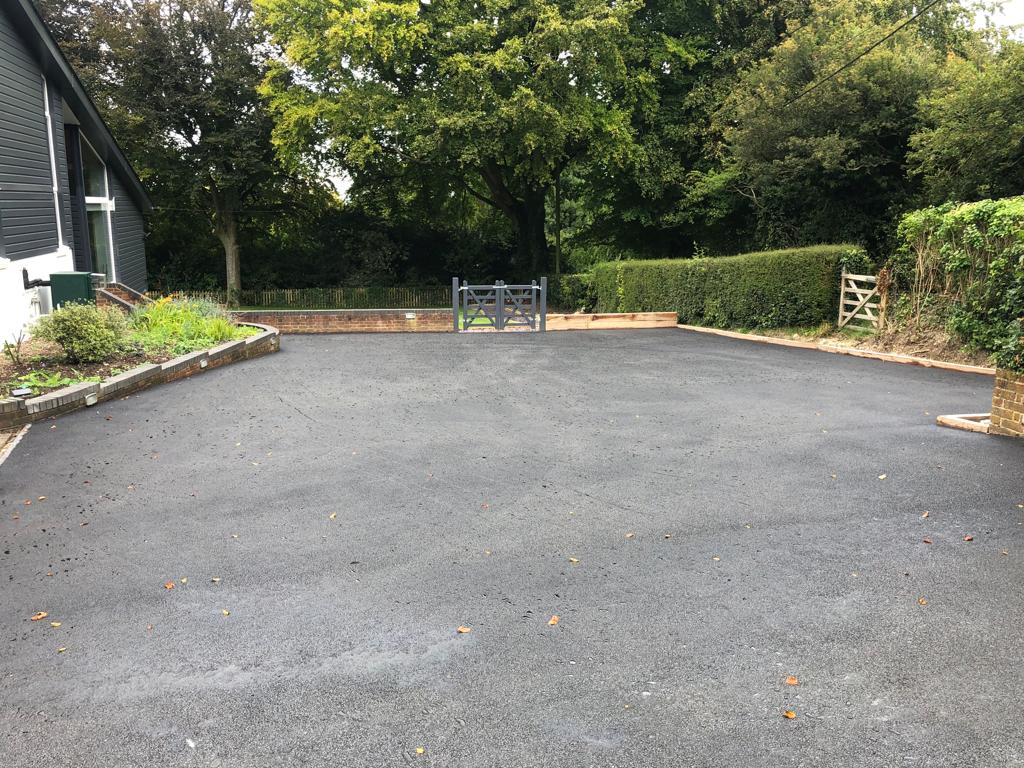
Asphalt is valued for its durability, flexibility and ability to provide a smooth surface for driveways, roads, car parks and commercial access areas. However, even a well-constructed asphalt pavement is exposed to continual stresses from vehicle traffic, moisture, weather and natural ageing. Over time, these influences can cause cracks to appear.
A crack may initially seem like a minor surface issue, but leaving it unattended can allow water to penetrate deeper into the pavement and contribute to more extensive deterioration. For property owners and businesses in Cessnock, NSW, understanding why asphalt cracks and responding at the appropriate stage can help preserve the pavement and reduce the likelihood of potholes, deformation and widespread surface failure.
Why Does Asphalt Develop Cracks?
Asphalt does not usually crack without a contributing cause. The visible opening can be the result of changes occurring within the surface, supporting pavement layers or surrounding environment.
Common causes include:
- Natural ageing and oxidation
- Water penetration
- Weak or unstable pavement foundations
- Repeated traffic loads
- Poor drainage
- Inadequate compaction
- Ground movement or settlement
- Existing pavement defects
Determining the cause matters because different forms of cracking can require different approaches. Treating the visible crack without understanding why it developed may allow the problem to return.
Asphalt Naturally Changes as It Ages
Bitumen acts as the binder that holds the asphalt mixture together. As the pavement ages and remains exposed to environmental conditions, this binder gradually oxidises.
The surface can become less flexible and more susceptible to cracking as a result.
Age-related deterioration tends to develop progressively rather than suddenly. Regular inspections are therefore useful for identifying early changes before they become widespread across the pavement.
Water Can Turn Small Cracks Into Larger Problems
One of the most important reasons to address asphalt cracking is to limit water penetration.
Once a crack opens, rainfall can enter the pavement rather than simply running across its surface. If moisture reaches the supporting layers underneath, those materials may begin losing stability.
Repeated vehicle movements then place pressure on the weakened area, potentially causing the crack to widen and surrounding asphalt to deteriorate.
Over time, this process can contribute to potholes and more significant pavement failure.
A Weak Base Can Cause Cracking Above It
The performance of asphalt depends heavily on the pavement foundation beneath it.
The base provides structural support and helps distribute vehicle loads. If it was inadequately prepared, poorly compacted or has subsequently weakened, movement underneath the asphalt can place stress on the surface.
Signs that cracking may involve deeper pavement problems can include:
- Cracks accompanied by sinking
- Wheel-path rutting
- Repeated potholes
- Noticeable pavement deformation
- Soft or unstable sections
In these situations, simply sealing the cracks may not address the underlying cause.
Heavy and Repeated Traffic Places Stress on Asphalt
Every vehicle applies force to the pavement, but the level of stress increases with heavier loads and frequent traffic.
Turning, braking and acceleration can also place concentrated stresses on particular areas. Entrances, intersections within a property, loading areas and frequently used wheel paths may therefore deteriorate differently from lightly trafficked sections.
The pavement structure should be appropriate for the vehicles expected to use it. Where traffic demands exceed what the pavement was designed to support, cracking and deformation can develop more rapidly.
Poor Drainage Can Accelerate Deterioration
Drainage and asphalt condition are closely connected.
If water regularly collects on the surface, along pavement edges or within low sections, existing defects are exposed to moisture for longer periods.
Standing water may also indicate that the pavement has lost its correct profile through settlement or deformation.
Good drainage helps direct rainfall away from the pavement and reduces the opportunity for moisture to reach vulnerable supporting layers.
Different Crack Patterns Can Indicate Different Problems
Not every asphalt crack means the same thing. Examining the pattern can provide useful information about what is happening within the pavement.
Isolated Cracks
Individual cracks may result from ageing, minor movement or localised stress. If the surrounding pavement remains stable, early repair may help prevent water penetration and further deterioration.
Edge Cracking
Cracking near pavement edges can be associated with insufficient support, erosion, drainage problems or repeated traffic close to the edge.
Repairing the crack without addressing the surrounding conditions may result in continuing deterioration.
Interconnected Cracking
Dense networks of interconnected cracks can indicate more advanced pavement distress. When cracking is accompanied by deformation or instability, the supporting structure should be assessed before deciding on the appropriate treatment.
How Can Further Asphalt Damage Be Prevented?
Preventing deterioration is largely about identifying problems while they remain manageable and addressing the factors causing them.
Several measures can help protect an asphalt pavement.
Inspect the Surface Regularly
Routine visual inspections can reveal changes before they become severe.
Look for:
- New cracks
- Widening existing cracks
- Loose surface material
- Depressions
- Standing water
- Edge deterioration
- Early pothole formation
Particular attention should be given after periods of heavy rainfall or when traffic conditions have changed.
Address Cracks Before Water Exploits Them
Where cracks are suitable for repair, treating them early can help reduce the amount of moisture entering the pavement.
The important point is that crack treatment should be appropriate for the type and condition of the defect. Structural cracking requires a different approach from minor surface deterioration.
Maintain Effective Drainage
Keeping water away from the pavement structure is an important part of preventative maintenance.
Drainage problems should be investigated if water continually pools on the surface or flows towards damaged areas. Correcting levels or drainage conditions can sometimes be just as important as repairing the asphalt itself.
Repair Localised Failures Promptly
A small damaged area can spread as traffic continues breaking away weakened material.
Localised repairs can help restore pavement integrity where deterioration remains confined to particular sections. Waiting until the surrounding asphalt also fails can turn a relatively contained defect into a much broader pavement problem.
When Should Asphalt Resurfacing Be Considered?
Individual repairs are useful when deterioration is limited, but there comes a stage when addressing cracks separately may no longer be the most appropriate solution.
Asphalt resurfacing may be considered when:
- Cracking has become widespread
- The overall surface is heavily weathered
- Numerous repairs are already present
- Driving quality has declined
- Surface deterioration affects large areas
- The underlying pavement remains sufficiently stable
Resurfacing renews the wearing surface and can restore a more consistent pavement, but the existing structure must first be assessed.
Resurfacing Cannot Correct a Failed Foundation
Applying new asphalt over severe structural deterioration does not automatically resolve the underlying problem.
If sections of the pavement are unstable, they may need to be repaired or reconstructed before resurfacing. Otherwise, movement beneath the new asphalt can eventually cause deterioration to reappear.
Professional preparation before resurfacing may involve repairing failed sections, correcting levels, improving drainage and ensuring the existing pavement provides suitable support.
Why Professional Assessment Matters
The visible crack only tells part of the story.
An experienced asphalt contractor can examine the pavement as a complete system and consider:
- Crack type and severity
- Surface condition
- Base stability
- Rutting or settlement
- Drainage
- Traffic demands
- Previous repairs
This allows the treatment to be selected according to the cause and extent of the deterioration rather than simply improving the pavement’s appearance temporarily.
Early Maintenance Helps Protect Asphalt for Longer
One of the most effective ways to preserve asphalt is to act before deterioration becomes extensive.
Minor cracking, drainage issues and localised defects provide an opportunity to intervene while much of the pavement may still be serviceable. Once water penetration, traffic and structural weakness begin working together, deterioration can accelerate considerably.
A proactive maintenance approach helps preserve the pavement’s condition and keeps roads, driveways and access areas functional for longer.
Conclusion
Asphalt can crack because of ageing, moisture penetration, repeated traffic loads, drainage problems, foundation movement and other forms of pavement stress. While some cracks are relatively minor, others can indicate weaknesses developing beneath the surface. The key to preventing further damage is identifying the cause early rather than allowing water and traffic to turn a small defect into widespread deterioration.
For asphalt roads, driveways and access surfaces in Cessnock, NSW, Cessnock Road Tek provides professional asphalt repair and resurfacing solutions based on the actual condition of the pavement. If your asphalt is beginning to crack, contact our team for an assessment and practical advice on the most appropriate way to protect the surface and maintain dependable long-term performance.
Call us on: 02 5301 9087
Click here to find out more about Cessnock Road Tek
Click here to complete our contact form and see how we can help with your Asphalt and Bitumen Surfacing needs.